Soldier Field: The Iconic Stadium That Defines Chicago’s Sports Legacy - Soldier Field was originally built as a tribute to the American soldiers who served in World War I. The stadium's dedication ceremony took place on Veterans Day in 1924, marking the beginning of its storied history. Over the years, Soldier Field has remained a symbol of gratitude and respect for the nation's military heroes. Soldier Field is committed to providing an exceptional experience for all visitors. From state-of-the-art facilities to personalized services, the stadium ensures that fans enjoy every moment of their visit. Modern amenities, such as high-definition screens, Wi-Fi access, and gourmet food options, elevate the overall experience.
Soldier Field was originally built as a tribute to the American soldiers who served in World War I. The stadium's dedication ceremony took place on Veterans Day in 1924, marking the beginning of its storied history. Over the years, Soldier Field has remained a symbol of gratitude and respect for the nation's military heroes.
Situated along the scenic shores of Lake Michigan, Soldier Field offers breathtaking views and easy access for visitors. Its central location in Chicago makes it a convenient destination, with public transportation options and ample parking available. Whether traveling by car, train, or bus, fans can reach Soldier Field with ease.
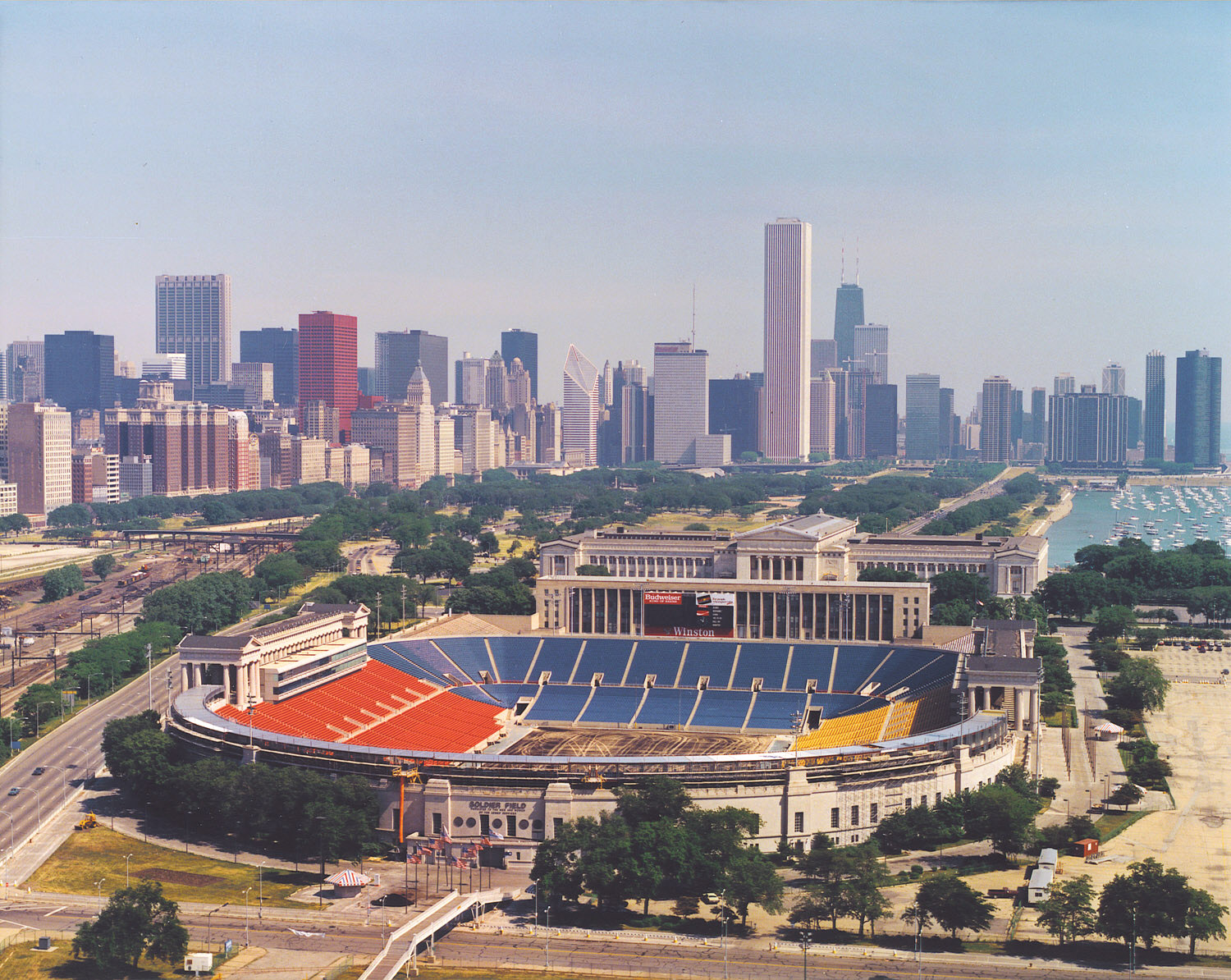
In its early years, Soldier Field primarily hosted football games, track and field events, and public gatherings. The stadium's capacity was expanded multiple times to accommodate growing crowds, reaching its peak in the mid-20th century. These expansions were crucial in establishing Soldier Field as a premier sports destination.
As technology advances and fan expectations evolve, Soldier Field remains committed to staying at the forefront of innovation. Future plans include further upgrades to enhance the fan experience, such as expanded digital offerings and eco-friendly initiatives. These improvements will ensure that Soldier Field continues to meet the needs of modern audiences.
Soldier Field is not only a sports venue but also a premier location for concerts and entertainment. Over the years, it has hosted some of the biggest names in music, drawing massive crowds for unforgettable performances. Artists like Bruce Springsteen, Paul McCartney, and U2 have graced the stage at Soldier Field, further cementing its status as a cultural landmark.
Soldier Field is surrounded by some of Chicago's most iconic landmarks, making it an ideal starting point for exploring the city. Visitors can enjoy nearby attractions such as the Museum Campus, Millennium Park, and Navy Pier, creating a full-day experience filled with culture and entertainment.
The stadium's name itself reflects its purpose, honoring the sacrifices made by those who fought for freedom. This deep-rooted connection to patriotism has made Soldier Field more than just a venue; it is a place of remembrance and celebration.
Since 1971, Soldier Field has served as the home field for the Chicago Bears, one of the NFL's most storied franchises. The Bears' presence at Soldier Field has created countless unforgettable moments, from thrilling victories to heartbreaking defeats. The stadium's atmosphere during Bears games is electric, with passionate fans filling the stands and creating an unparalleled experience.
As one of the oldest and most historic stadiums in the United States, Soldier Field has undergone numerous transformations over the decades. Its evolution reflects the changing landscape of sports and entertainment, while maintaining its status as a national landmark. In this article, we will explore the rich history, architectural design, and cultural impact of Soldier Field, delving into what makes it such an enduring icon.
Whether you're a sports enthusiast, a history buff, or simply curious about the landmarks that define American cities, Soldier Field offers a fascinating journey through time. Let's dive into the story behind this legendary stadium, uncovering the details that make it a must-visit destination for anyone exploring Chicago.
By the 1950s, Soldier Field had become a hub for college football, attracting thousands of fans for annual games like the Chicago All-Star Game. This period solidified its reputation as a premier venue for athletic competitions.
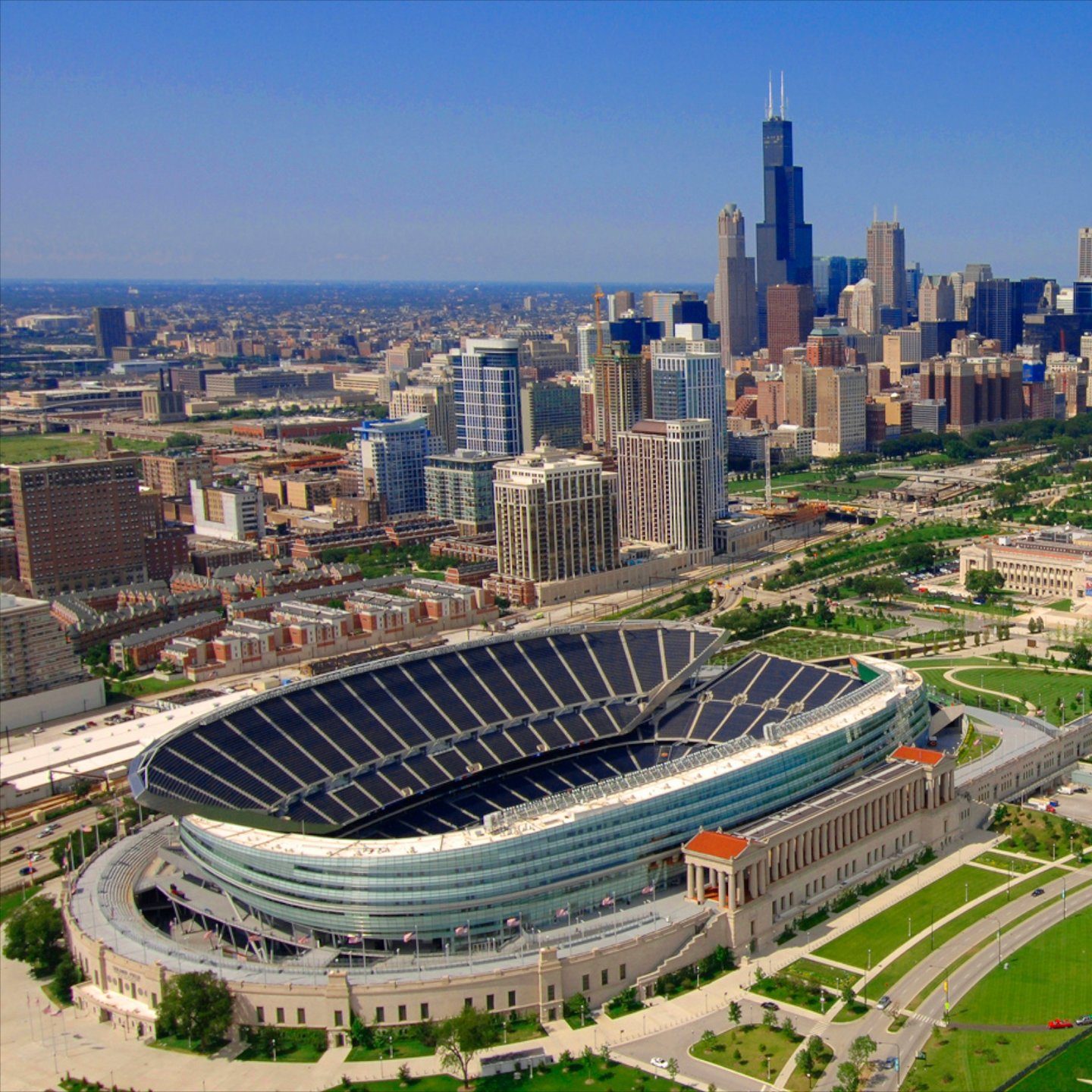
Soldier Field's original design was inspired by classical Greek architecture, featuring majestic columns and a grand colonnade. This architectural style reflects the stadium's dedication to the heroes of World War I, drawing parallels to ancient monuments of valor.